

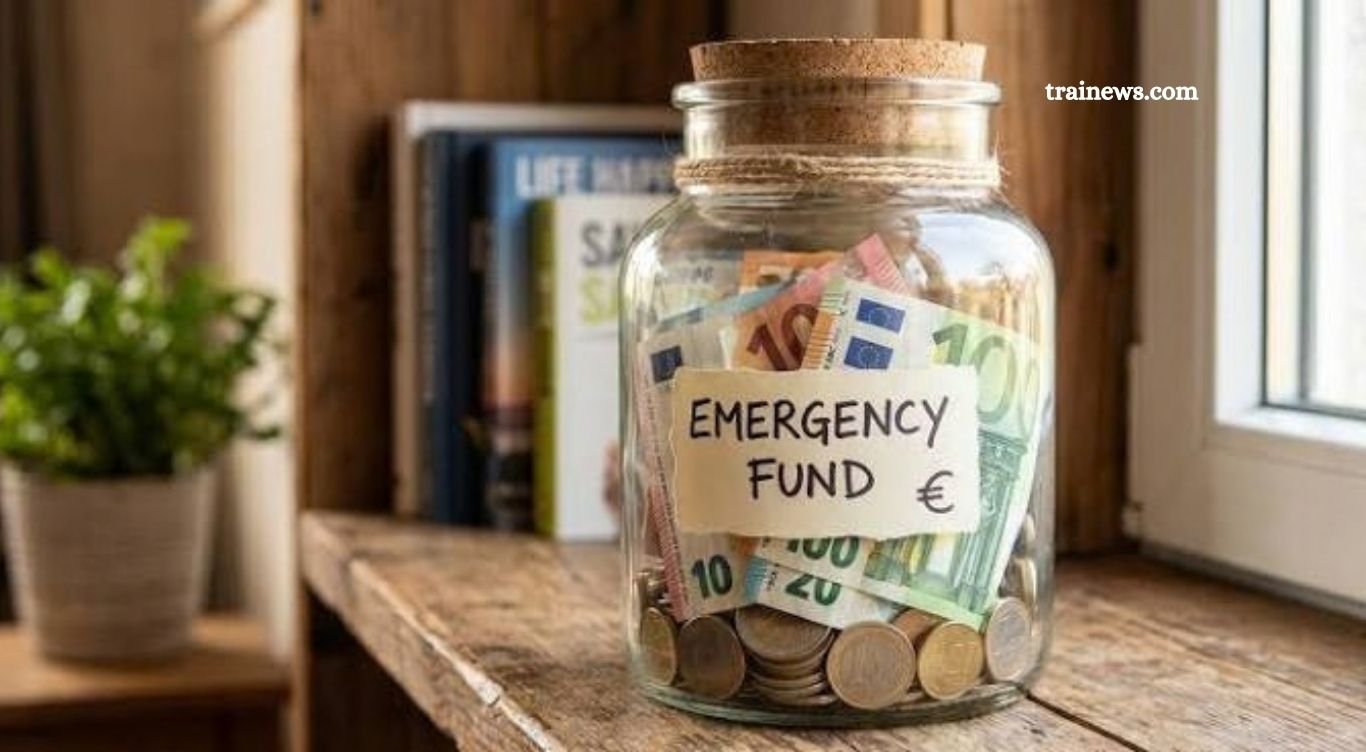
Unexpected expenses can affect anyone’s financial stability. A sudden medical bill, car repair, job loss, or urgent home maintenance problem can put pressure on a monthly budget. Without savings, people may rely on credit cards, personal loans, or borrowed money to cover these costs. An emergency fund provides financial protection by offering money for unexpected situations without disturbing regular expenses.
Building an emergency fund is an important step toward better money management. It helps individuals handle financial challenges, reduce stress, and maintain control over their spending. Even small, regular contributions can create a useful financial safety net over time.
Read More: Credit Score Habits That Can Make Future Borrowing Easier
What Is an Emergency Fund?
An emergency fund is money saved specifically for unexpected and necessary expenses. Unlike regular savings for vacations, shopping, or major purchases, this fund is reserved for financial emergencies. Its main purpose is to provide immediate access to money when an urgent situation arises.
Common reasons to use an emergency fund include unexpected medical expenses, essential vehicle repairs, sudden unemployment, emergency travel, and urgent home repairs. Keeping these savings separate from everyday spending makes it easier to protect the money until a genuine need appears.
Why Emergency Funds Are Important for Your Budget
A monthly budget usually includes regular expenses such as rent, groceries, transportation, utility bills, insurance, and debt payments. An unexpected expense can disrupt this plan and leave little money for essential needs. An emergency fund helps cover these costs without forcing people to change their entire financial routine.
Emergency savings also reduce the risk of accumulating debt. When people have money available for urgent expenses, they are less likely to depend on high-interest credit cards or short-term loans. This approach protects their monthly income and allows them to continue working toward their financial goals.
How Emergency Funds Protect Against Unexpected Costs
Covering Medical Emergencies
Medical emergencies can create significant financial pressure, especially when treatment, medicines, or hospital visits are not fully covered by insurance. Even a relatively small medical bill can affect a household budget when savings are limited.
An emergency fund provides money for these necessary expenses without requiring immediate borrowing. Having savings available can help individuals manage urgent healthcare costs while keeping regular household payments on schedule.
Managing Sudden Job Loss
Losing a job can create financial uncertainty because regular income may stop unexpectedly. Rent, groceries, transportation, and utility bills still need to be paid, even when someone is searching for new employment.
Emergency savings can help cover essential living expenses during this period. A well-funded reserve provides additional time to find suitable work without making rushed financial decisions or immediately relying on debt.
Paying for Urgent Home and Vehicle Repairs
Home and vehicle problems often appear without warning. A leaking roof, broken water heater, damaged plumbing system, or unexpected car repair can require immediate attention. Delaying these repairs may create more expensive problems later.
An emergency fund allows homeowners and vehicle owners to handle essential repairs without taking money away from other important expenses. This makes monthly budgeting more predictable and helps prevent minor problems from becoming larger financial burdens.
Avoiding High-Interest Debt
Borrowing money during an emergency can create long-term financial difficulties. Credit cards and certain short-term loans may carry high interest rates, making the original expense more expensive over time.
Using emergency savings can reduce the need for borrowing and help protect future income. Instead of spending the next several months repaying emergency debt, individuals can focus on rebuilding their savings and maintaining a balanced budget.
How Much Money Should You Save in an Emergency Fund?
The ideal emergency fund depends on personal circumstances, monthly expenses, income stability, and family responsibilities. A common financial guideline is to save enough money to cover three to six months of essential living expenses.
For example, someone with essential monthly expenses of $1,500 may aim for an emergency fund between $4,500 and $9,000. This amount can provide a useful cushion during unemployment or other significant financial difficulties.
However, saving this amount immediately may not be practical for everyone. Starting with a smaller target, such as $500 or $1,000, can still provide valuable protection against common emergencies. The important step is to begin saving consistently and gradually increase the target as financial circumstances improve.
Practical Ways to Build an Emergency Fund
Start With Small, Regular Contributions
Building emergency savings does not require a large income or a significant initial deposit. Setting aside a small amount from every paycheck can help develop a consistent saving habit.
For example, saving $25 each week adds up to $1,300 over a year, excluding any interest earned. Increasing contributions whenever income rises can help build the fund faster without creating unnecessary pressure on the monthly budget.
Create a Separate Savings Account
Keeping emergency money in a separate savings account can reduce the temptation to spend it on nonessential purchases. A suitable account should provide convenient access to funds, reasonable security, and clear information about any fees or withdrawal restrictions.
For emergency savings, accessibility is generally more important than pursuing high investment returns. Money needed for urgent expenses should not be placed in investments that may lose value or take time to sell.
Review Your Monthly Budget
Reviewing spending habits can reveal opportunities to save more money. Subscriptions, frequent takeout meals, impulse purchases, and unused services may create expenses that can be reduced without affecting essential needs.
Redirecting even a small portion of these savings into an emergency fund can make a meaningful difference over time. A realistic budget should cover essential expenses first, allow for manageable savings contributions, and avoid setting targets that are difficult to maintain.
Automate Your Savings
Automatic transfers can make saving easier and more consistent. Arranging a transfer from a primary account to a savings account shortly after receiving income helps prioritize savings before discretionary spending begins.
Even a modest automatic contribution can support long-term progress. As income changes or debts are paid off, the transfer amount can be adjusted to reflect the new financial situation.
Where Should You Keep Your Emergency Savings?
Emergency savings should generally remain in a safe, accessible account rather than being invested in volatile assets. A savings account with suitable withdrawal access can help ensure that money is available when an urgent expense occurs.
It is also important to consider inflation, account fees, deposit protection, and withdrawal conditions. The best option depends on the financial products available in your country and the speed at which funds may be needed.
Avoid keeping the entire emergency fund in stocks, cryptocurrency, or other investments that can experience sudden losses. These investments may have a place in a long-term financial plan, but emergency money serves a different purpose: protecting essential expenses when unexpected costs arise.
Common Emergency Fund Mistakes to Avoid
One common mistake is using emergency savings for nonessential purchases. Buying new electronics, planning a vacation, or shopping during a sale does not usually qualify as an emergency. Keeping clear rules for withdrawals helps preserve the fund for genuine needs.
Another mistake is setting an unrealistic savings goal. Trying to save too much too quickly can make it difficult to cover regular expenses and may lead to abandoning the plan. A gradual approach is often more sustainable.
People should also remember to replenish the fund after using it. Once the emergency has passed, restarting regular contributions helps restore financial protection. Reviewing the target periodically is equally important because changes in rent, family size, healthcare costs, and income may increase the amount needed.
How Emergency Funds Support Long-Term Financial Stability
Emergency savings provide more than short-term financial relief. They can protect long-term goals by reducing the need to withdraw retirement savings, sell investments at an unfavorable time, or postpone important financial commitments.
A dedicated emergency fund also encourages better financial habits. Regular saving, careful budgeting, and thoughtful spending decisions help individuals become more prepared for future challenges. Over time, these habits can improve confidence and make financial planning easier.
Although an emergency fund cannot prevent every financial difficulty, it can make unexpected expenses more manageable. Having money available for urgent needs creates greater flexibility and reduces the pressure associated with sudden financial changes.
Frequently Asked Questions
What is an emergency fund?
An emergency fund is money saved to cover unexpected expenses, such as medical bills, urgent repairs, or job loss.
Why is an emergency fund important?
It protects your budget, reduces financial stress, and helps you avoid unnecessary debt during emergencies.
How much money should I save in an emergency fund?
Aim to save three to six months of essential living expenses, depending on your financial situation.
What expenses can an emergency fund cover?
It can cover unexpected medical bills, car repairs, urgent home maintenance, and essential expenses during unemployment.
Where should I keep my emergency fund?
Keep it in a safe, accessible savings account so you can withdraw money when needed.
How can I build an emergency fund on a low income?
Start with small, regular savings contributions and increase them whenever your budget allows.
Should I use my emergency fund for shopping?
No. Reserve your emergency fund for genuine, unexpected expenses rather than nonessential purchases.
Conclusion
Emergency funds are essential for protecting your budget from unexpected expenses and financial challenges. They help cover urgent costs, reduce dependence on loans, and maintain financial stability during difficult times. By setting realistic savings goals, contributing regularly, and keeping emergency money in an accessible account, anyone can build a reliable financial safety net.

1 Comment
Pingback: Simple Investment Mistakes New Investors Often Make With Their Money - TraiNews