

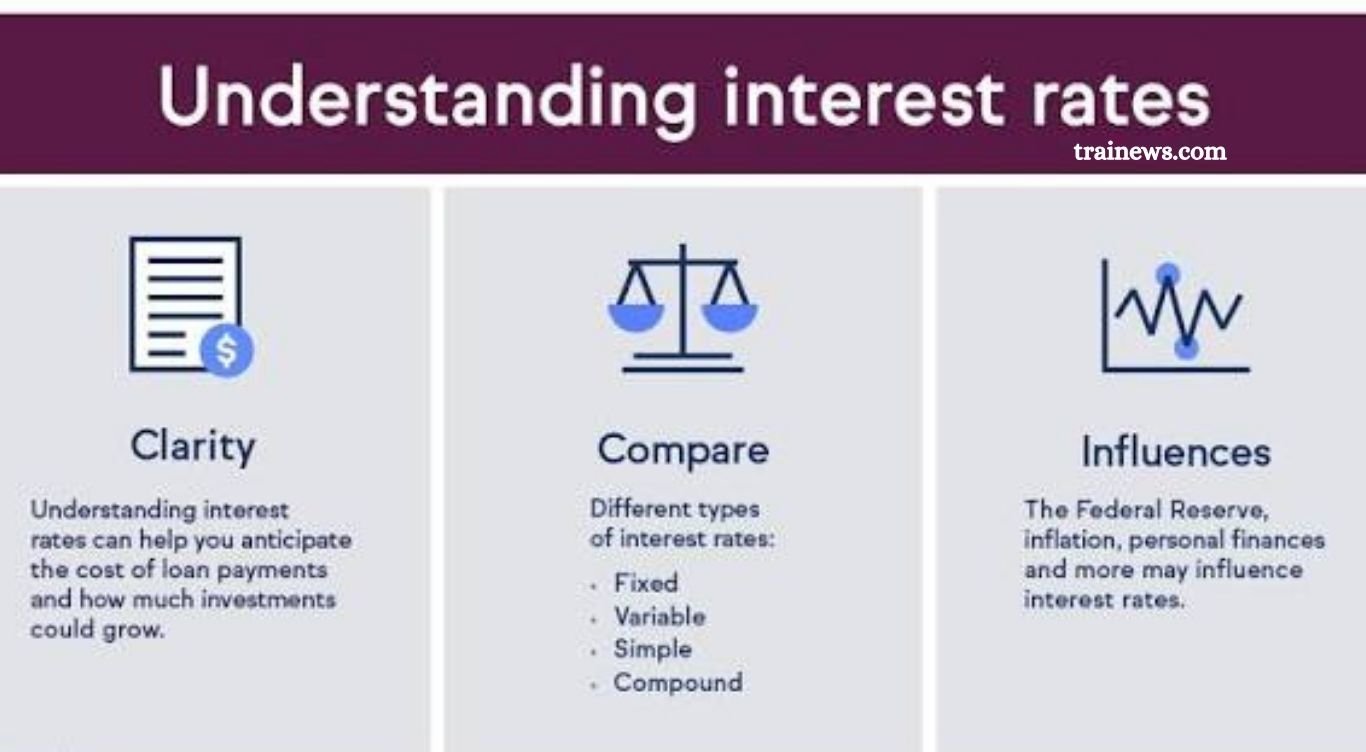
Interest rates play an important role in everyday financial decisions. From mortgages and car loans to credit cards and personal borrowing, even a small rate change can affect monthly payments, borrowing costs, and household budgets. When central banks adjust interest rates, the impact can eventually reach consumers through banks, lenders, and credit providers.
Understanding how changing interest rates work can help borrowers make better financial decisions. Whether rates are rising or falling, knowing what to expect can make it easier to manage existing debt, compare new borrowing options, and protect monthly finances.
Read More: Smarter Ways to Manage Monthly Expenses When Prices Keep Changing
How Interest Rate Changes Affect Borrowing
Interest rates influence how much borrowers pay to use borrowed money. When rates rise, lenders generally charge more for loans, increasing the overall cost of borrowing. Higher rates can make new mortgages, auto loans, personal loans, and other forms of credit more expensive.
When rates decline, borrowing can become more affordable. Lenders may reduce rates on certain loans, giving consumers an opportunity to lower monthly payments or reduce the total interest paid over the life of a loan. However, rate reductions do not always reach every borrower immediately.
What Rising Interest Rates Could Mean for Borrowers
Higher interest rates can create pressure for people who need to borrow money. A higher rate on a new loan can increase monthly payments, potentially making large purchases less affordable. Borrowers may also qualify for smaller loan amounts because lenders consider monthly payment affordability when evaluating applications.
Existing variable-rate debt can face additional pressure. Credit cards and variable-rate loans may become more expensive as market rates increase. Borrowers carrying large balances could therefore see more of their monthly payment going toward interest instead of reducing the principal.
What Falling Interest Rates Could Mean for Everyday Finances
Lower interest rates can create opportunities for borrowers. New loans may become cheaper, while some existing variable-rate debts could become less expensive. Homeowners with adjustable-rate mortgages may benefit when their rates reset lower, depending on their loan terms.
Falling rates can also encourage borrowers to reconsider refinancing. Refinancing involves replacing an existing loan with a new one, potentially at a lower interest rate. However, borrowers should consider closing costs, fees, loan terms, and the time required to recover those expenses before making a decision.
Mortgages Can See a Major Impact
Housing loans are particularly sensitive to interest-rate movements because mortgages typically involve large balances and long repayment periods. Even a modest change in the interest rate can make a noticeable difference to the total cost of a mortgage.
For prospective homebuyers, higher rates can reduce purchasing power because monthly mortgage payments become more expensive. Lower rates can improve affordability, although increased demand for homes may also affect property prices in some markets.
Homeowners with fixed-rate mortgages generally have more protection from short-term rate changes because their interest rate remains unchanged for the agreed period. Borrowers with adjustable-rate mortgages face greater exposure to changes in market rates.
Credit Cards Could Become More Expensive
Credit card debt is another area where changing interest rates can matter. Many credit cards use variable interest rates, meaning borrowing costs can change when broader interest rates move.
When rates increase, carrying a credit card balance can become more expensive. Consumers who make only minimum payments may feel the impact more strongly because interest can accumulate over time.
Borrowers can reduce this risk by paying balances down faster, avoiding unnecessary new debt, and comparing lower-cost borrowing alternatives when appropriate. Paying the full credit card balance each month can also help consumers avoid interest charges on purchases when their card terms provide a grace period.
Auto Loans May Affect Car-Buying Decisions
Interest rates can also influence the cost of financing a vehicle. A higher rate can increase the monthly payment and total amount paid over the life of an auto loan.
Consumers shopping for a car may respond to higher rates by choosing a less expensive vehicle, making a larger down payment, or selecting a shorter or longer loan term depending on their financial situation. However, extending a loan term may lower the monthly payment while increasing the total interest paid.
When rates fall, buyers may have more attractive financing options. Comparing the annual percentage rate, loan term, fees, and total repayment amount can provide a clearer picture than focusing only on the monthly payment.
Personal Loans and Other Debt Can Also Change
Personal loans, home-equity borrowing, and other forms of credit may also respond to broader interest-rate movements. Borrowers with variable-rate products generally have greater exposure to rate changes than those with fixed-rate agreements.
People considering debt consolidation may pay particular attention to interest rates. Consolidating several debts into one loan can simplify payments, but the decision only makes financial sense when the new borrowing costs and repayment terms are suitable.
Savers Can Experience the Other Side of Rate Changes
Interest-rate changes do not only affect borrowers. They can also influence people who keep money in savings accounts, certificates of deposit, or other interest-bearing products.
Higher rates can provide savers with better opportunities to earn interest on cash, although the actual rate depends on the financial institution and product. When rates decline, returns on some savings products may also decrease.
This creates an important balance for households. Higher rates can make borrowing more expensive while potentially improving returns on savings. Lower rates can reduce borrowing costs while making certain cash savings less rewarding.
How Borrowers Can Prepare for Changing Rates
Borrowers can reduce the impact of changing interest rates by understanding their existing debt. Checking whether loans have fixed or variable rates is a useful starting point. Reviewing repayment schedules can also reveal how much interest remains to be paid.
Building an emergency fund can provide additional protection when borrowing costs or household expenses increase. Consumers should also compare loan offers carefully instead of choosing an option based only on the advertised interest rate.
Paying down high-interest debt can be another effective strategy. Reducing outstanding balances lowers the amount exposed to interest charges and can improve overall financial flexibility.
Why Timing Matters When Taking a Loan
Borrowers sometimes wait for interest rates to fall before making a major financial decision. While rate movements can influence borrowing costs, predicting the exact timing of future changes is difficult.
A financially sound decision should consider more than the current interest rate. Income stability, existing debt, credit history, savings, loan terms, and personal goals can all influence whether borrowing makes sense.
For major purchases such as homes or vehicles, focusing entirely on short-term rate movements can lead to unnecessary delays or rushed decisions. Understanding the complete cost of borrowing is generally more useful than trying to predict the perfect time to take a loan.
The Importance of Comparing Loan Offers
Different lenders can offer significantly different borrowing terms even when broader interest rates are similar. Consumers should compare annual percentage rates, fees, repayment periods, penalties, and total borrowing costs.
A loan with a slightly lower advertised rate may not always be the cheapest option if it includes substantial fees or unfavorable terms. Looking at the complete repayment cost provides a more accurate comparison.
Frequently Asked Questions
How do changing interest rates affect borrowers?
Changing interest rates can increase or decrease monthly payments and the total cost of mortgages, loans, credit cards, and other debt.
What happens when interest rates rise?
Higher interest rates generally make borrowing more expensive, increasing payments for new loans and potentially variable-rate existing debt.
What happens when interest rates fall?
Lower rates can reduce borrowing costs and may create opportunities for refinancing, cheaper loans, or lower payments on variable-rate debt.
Do interest rates affect credit cards?
Yes. Many credit cards have variable interest rates, so rising rates can make carrying a balance more expensive.
How do interest rates affect mortgages?
Higher rates can increase mortgage payments and reduce home-buying power, while lower rates can make borrowing more affordable.
Can borrowers protect themselves from rising interest rates?
Borrowers can consider fixed-rate loans, reduce high-interest debt, maintain emergency savings, and compare loan offers carefully.
Should borrowers wait for interest rates to fall?
Waiting may not always be the best strategy. Borrowers should consider their financial situation, loan terms, affordability, and long-term goals.
Conclusion
Changing interest rates can have a direct impact on everyday borrowing, from mortgages and car loans to credit cards and personal debt. Higher rates can increase borrowing costs, while lower rates may create opportunities for more affordable financing. Understanding how rate changes affect monthly payments, total interest, and refinancing options can help borrowers make smarter financial decisions.

1 Comment
Pingback: Hidden Banking Fees That Can Quietly Reduce Your Savings - TraiNews