

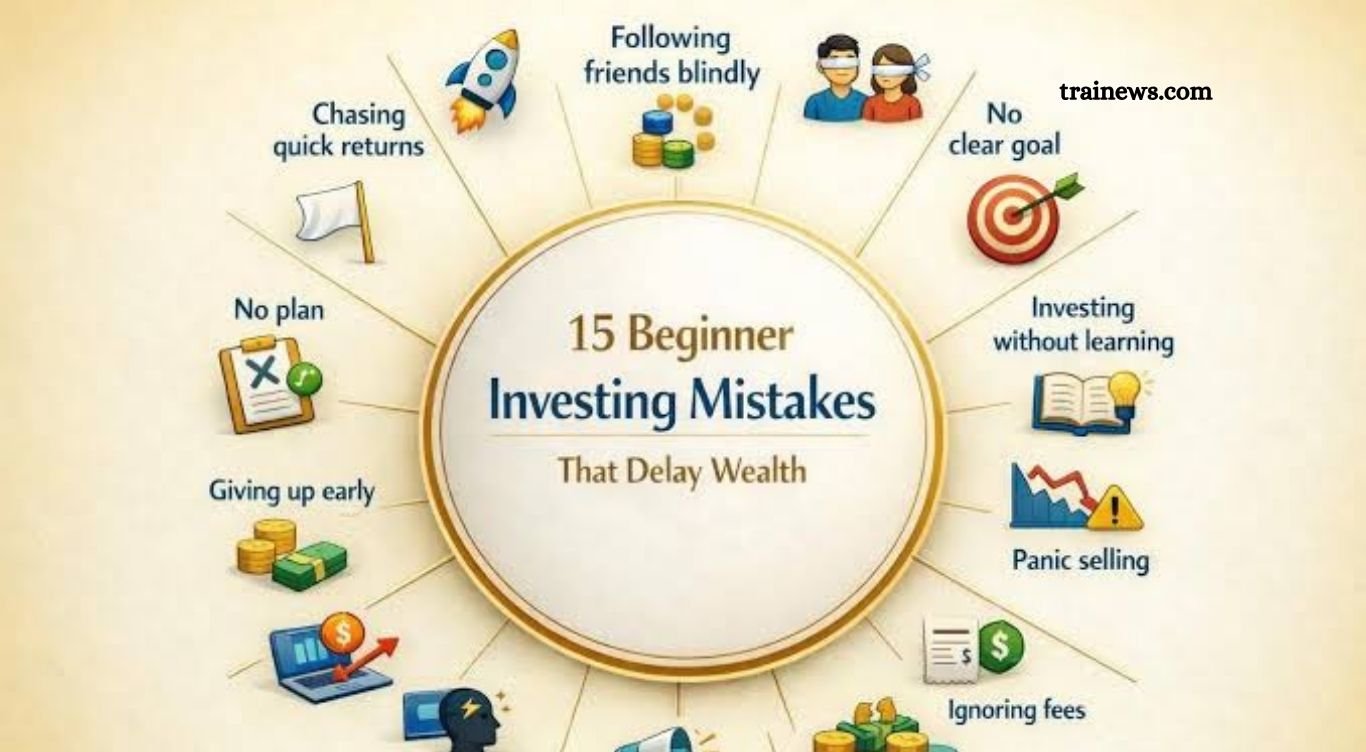
Investing offers an opportunity to grow money, prepare for future expenses, and build long-term financial security. However, many beginners enter the investment market without understanding how it works. Excitement, limited knowledge, and unrealistic expectations can lead to costly decisions that affect financial progress.
Learning about common investment mistakes helps new investors make informed choices and avoid unnecessary losses. Whether someone plans to invest in stocks, mutual funds, real estate, or other assets, building good financial habits early can make a significant difference. A clear strategy, realistic goals, and patience can help investors manage money more effectively.
Read More: How Emergency Funds Can Protect Your Budget From Unexpected Costs
Investing Without a Clear Financial Goal
One of the most common mistakes new investors make involves investing without knowing what they want to achieve. Some people invest because friends recommend a particular stock, while others follow popular online trends. Without a clear objective, it becomes difficult to choose suitable investments or measure progress.
Before investing, identify your financial goals. You might want to save for retirement, purchase a home, fund education, or build long-term wealth. Each goal has a different timeline and risk level. Clear objectives help investors select appropriate investment options and avoid decisions based on temporary excitement.
Putting Too Much Money Into One Investment
Concentrating all available money in a single stock, company, or asset can expose investors to significant financial risk. If that investment performs poorly, a large portion of their portfolio may lose value. Beginners sometimes make this mistake because they believe one promising opportunity will deliver exceptional returns.
Diversification helps reduce dependence on a single investment. Spreading money across different asset classes, industries, or suitable investment funds can help manage certain risks. However, diversification cannot eliminate all investment losses. Investors should select a balanced portfolio based on their financial goals, risk tolerance, and investment timeline.
Expecting Quick Profits
Many new investors enter the market expecting their money to grow rapidly. Social media success stories and claims of overnight wealth can create unrealistic expectations. When investments fail to deliver immediate profits, beginners may become impatient and make unnecessary changes.
Successful investing often requires time, discipline, and consistent decision-making. Long-term investors generally focus on gradual progress rather than short-term market movements. Although some investments can produce quick gains, they can also experience sudden losses. Setting realistic expectations helps investors avoid unnecessary risks and remain focused on their financial objectives.
Ignoring Investment Research
Buying an investment without researching its fundamentals is another costly mistake. Beginners may rely entirely on recommendations from friends, influencers, online forums, or unfamiliar financial advisers. Such recommendations may not reflect an investor’s financial situation or the actual risks associated with an investment.
Before investing, understand what you are buying, how it may generate returns, and what could cause its value to decline. Review relevant financial information, fees, business performance, and investment risks. Reliable research does not guarantee profits, but it helps investors make decisions based on evidence rather than speculation or excitement.
Investing Money Needed for Daily Expenses
Using money intended for rent, groceries, bills, education, or emergency expenses can create serious financial problems. Investments may lose value, and some assets cannot be sold quickly without additional costs or unfavorable prices. Selling during a market decline can also turn a temporary loss into a permanent one.
New investors should consider establishing an emergency fund before committing substantial money to investments. Keeping accessible savings for unexpected expenses can reduce the need to sell investments at the wrong time. The appropriate emergency fund depends on income stability, household expenses, and personal circumstances.
Letting Fear and Greed Control Decisions
Emotions often influence investment decisions more than research or financial planning. Greed may encourage investors to buy assets after prices rise sharply, while fear can push them to sell during temporary market declines. Both reactions can undermine a well-planned investment strategy.
Developing an investment plan before entering the market can help reduce emotional decision-making. Investors should establish clear goals, understand their tolerance for losses, and review their portfolios at reasonable intervals. Market declines can be uncomfortable, but every price movement does not require immediate action. Decisions should reflect personal financial needs rather than panic or excitement.
Failing to Understand Investment Fees
Investment fees may appear small, but they can reduce long-term returns. Brokerage charges, fund management expenses, transaction costs, and account fees can gradually affect the amount of money an investor keeps. Beginners sometimes focus only on expected returns while overlooking these expenses.
Before selecting an investment product, review its fee structure and understand how charges are calculated. Compare similar options to determine whether their costs are reasonable for the services provided. Lower fees do not automatically make an investment better, but understanding expenses helps investors evaluate potential returns more accurately.
Following Market Trends Without a Strategy
Popular stocks, trending cryptocurrencies, and viral investment opportunities often attract inexperienced investors. When an asset receives widespread attention, some beginners buy simply because they fear missing out on potential profits. However, popularity does not guarantee strong performance or long-term value.
Investors should evaluate opportunities according to their own financial goals and research. Avoid investing solely because other people appear to be making money. A suitable investment should fit your overall strategy, financial capacity, and tolerance for risk. Taking time to evaluate an opportunity can help prevent rushed decisions and unnecessary losses.
Trying to Time the Market
Market timing involves attempting to predict the best moments to buy and sell investments. Beginners may wait for prices to fall before investing or sell quickly whenever prices decline. Although timing the market successfully is possible in some situations, consistently predicting short-term movements is difficult.
A disciplined investment schedule can help investors avoid relying entirely on market predictions. For eligible investments, regular contributions may spread purchases across different price levels over time. This approach, often called dollar-cost averaging, does not guarantee profits or prevent losses. Its main benefit is encouraging consistency instead of making every decision depend on short-term forecasts.
Ignoring Risk Tolerance
Every investment carries some level of risk, but not every investor can comfortably handle the same amount of uncertainty. Someone investing for retirement decades away may have different needs from someone saving for a home purchase within two years. Ignoring these differences can lead to unsuitable investment choices.
Before investing, consider your financial responsibilities, income stability, investment timeline, and ability to withstand losses. Higher-risk investments may offer greater potential returns, but they can also experience larger declines. Choosing investments that match your circumstances can make it easier to maintain a sensible strategy during difficult market conditions.
Forgetting to Review Investments
Creating an investment portfolio does not mean financial planning is complete. Personal goals, income, expenses, and market conditions can change over time. A portfolio that once suited an investor may eventually become inconsistent with their financial needs.
Review investments periodically to assess performance, costs, diversification, and alignment with current goals. Rebalancing may help restore the intended asset allocation when certain investments grow faster than others. However, frequent checking and unnecessary trading can increase costs and emotional stress. A regular review schedule offers a practical balance between staying informed and avoiding impulsive decisions.
Expecting Guaranteed Returns
New investors sometimes trust advertisements or individuals promising guaranteed profits, unusually high returns, or risk-free opportunities. Such claims can hide important details or signal potential investment scams. Fraudsters often create urgency by claiming that an opportunity will disappear unless people send money immediately.
Be cautious when evaluating any investment promising exceptional returns without meaningful risk. Verify the provider’s registration with the relevant financial regulator, understand the investment structure, and review withdrawal conditions. Never rely exclusively on testimonials or screenshots of profits. Legitimate investments involve risks, and understanding those risks is essential before committing money.
Practical Tips for Better Investment Decisions
Avoiding common investment mistakes becomes easier when investors follow a simple, consistent approach. Strong financial habits can support better decisions and help beginners develop confidence without taking unnecessary risks.
Consider these practical steps:
- Set clear goals: Decide what you want your investments to accomplish and establish a realistic timeline.
- Build emergency savings: Keep accessible funds for unexpected expenses before investing money you may need soon.
- Start with manageable amounts: Invest only what fits your financial circumstances and risk tolerance.
- Research carefully: Understand investment products, potential returns, fees, and possible losses.
- Diversify appropriately: Avoid depending entirely on one company, asset, or market.
- Control emotions: Make decisions according to your plan rather than fear, greed, or online trends.
- Monitor costs: Review transaction charges, management fees, and other investment expenses.
- Continue learning: Improve your financial knowledge as your experience and goals develop.
These practices cannot remove every investment risk, but they can help beginners approach financial decisions more thoughtfully and consistently.
Frequently Asked Questions
What are the most common investment mistakes beginners make?
Common mistakes include investing without a plan, ignoring risks, chasing quick profits, and following unverified financial advice.
How much money should a beginner invest?
Beginners should start with an affordable amount after covering essential expenses, managing debts, and building emergency savings.
Why is diversification important in investing?
Diversification spreads money across different investments, helping reduce dependence on one asset and manage certain financial risks.
Is investing a good way to build long-term wealth?
Investing can help grow wealth over time, but returns are not guaranteed, and losses are possible.
How can beginners avoid emotional investment decisions?
Set clear financial goals, research investment options, and follow a consistent strategy instead of reacting to market changes.
Should beginners follow investment advice on social media?
Beginners should verify information through reliable sources and avoid investing based solely on online trends or influencer recommendations.
How can new investors reduce investment risks?
New investors can manage risks by diversifying, understanding fees, researching opportunities, and choosing options that match their financial goals.
Conclusion
Avoiding common investment mistakes is essential for building a stronger financial future. New investors should focus on setting clear goals, researching investment options, managing risks, and avoiding decisions driven by fear or greed. Patience, diversification, and consistent financial habits can help investors make smarter choices over time. Although investing always involves risks, learning from common mistakes can improve financial confidence and support long-term wealth-building goals.
