

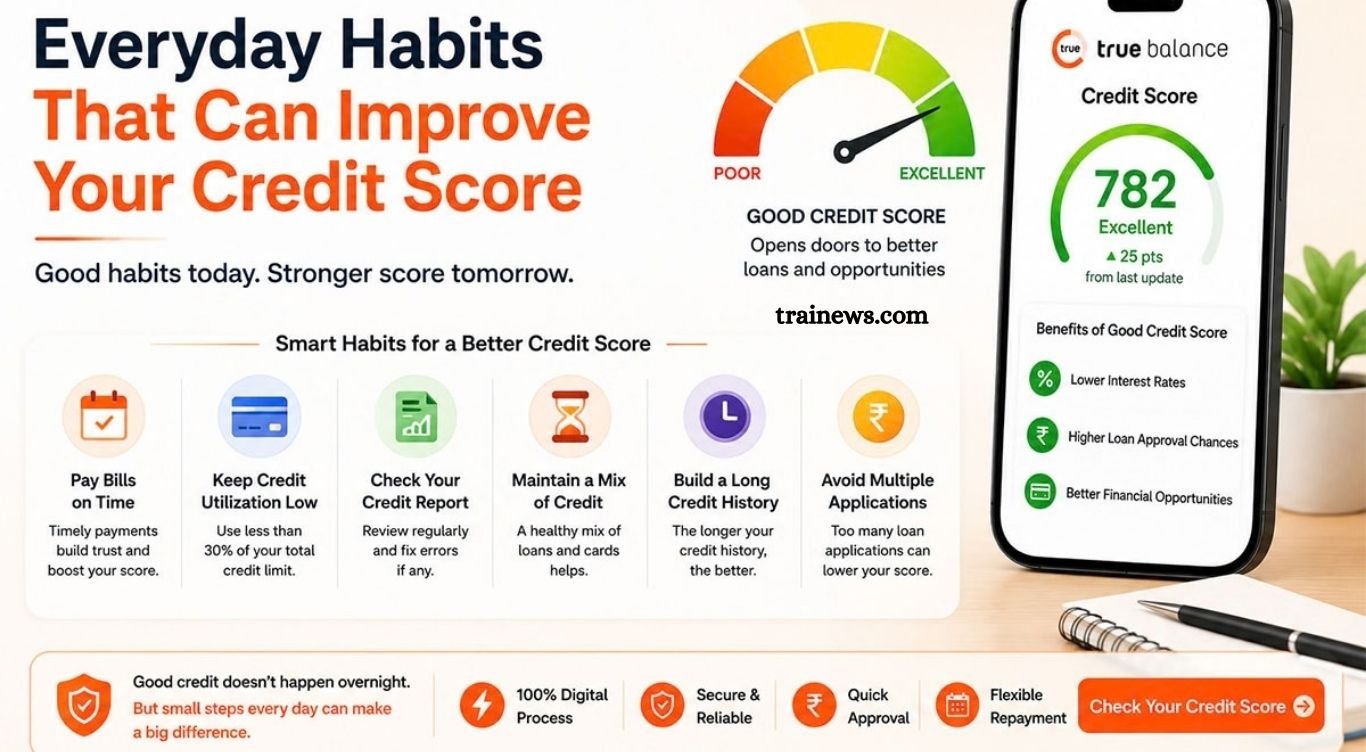
A strong credit score can make future borrowing easier by helping lenders evaluate financial reliability, repayment history, and debt management. Whether someone plans to apply for a personal loan, finance a car, purchase a home, or access a credit card, healthy credit habits can improve borrowing opportunities. Building a good credit profile requires consistency, responsible spending, timely payments, and careful financial planning. Small decisions made today can influence future loan approvals, interest rates, and borrowing costs.
Understanding how credit scores work helps individuals make better financial decisions. Although credit scoring systems vary by country and lender, several habits support a stronger credit profile across many financial systems. Developing these habits early can reduce financial stress, improve lending opportunities, and create a more stable foundation for long-term financial goals.
Read More: Hidden Banking Fees That Can Quietly Reduce Your Savings
Pay Every Bill on Time
Payment history plays an important role in many credit scoring systems. Missing credit card payments, loan installments, or other reported financial obligations can damage a credit profile. Repeated late payments may create additional challenges when applying for future credit, especially when lenders review previous repayment behavior.
Setting up automatic payments, calendar reminders, or banking alerts can help prevent missed deadlines. Paying at least the required minimum by the due date can protect against certain late-payment consequences, although paying the full statement balance whenever possible helps reduce interest costs. Consistent payment behavior demonstrates financial responsibility and supports healthier borrowing habits.
Keep Credit Card Balances Low
Credit utilization measures how much available revolving credit someone uses. For example, a person with a credit limit of $5,000 and a balance of $1,000 has a utilization rate of 20%. Lower utilization can support a stronger credit score in scoring systems that consider this factor.
Keeping balances manageable also reduces interest expenses and makes monthly budgets easier to control. Although no single utilization percentage guarantees an excellent score, avoiding consistently high balances is generally a sensible strategy. Paying down existing debt before applying for a major loan may also improve the overall financial picture presented to lenders.
Check Credit Reports Regularly
Credit reports contain information about borrowing activity, payment history, account balances, and other financial details. Errors such as incorrect late payments, unfamiliar accounts, or outdated balances can create problems during a lending assessment. Regular reviews help individuals identify potential issues before submitting important credit applications.
Checking available credit reports through authorized reporting agencies can help uncover inaccuracies and possible identity theft. If incorrect information appears, submitting a dispute with the relevant credit bureau or lender may help resolve the issue. Monitoring reports also provides a clearer understanding of financial progress and highlights areas that require improvement.
Avoid Applying for Too Much Credit at Once
Submitting several credit applications within a short period can raise concerns for some lenders. Certain applications trigger hard credit inquiries, which may temporarily affect credit scores. Multiple applications can also suggest that someone needs additional borrowing urgently, although lenders consider different factors when evaluating financial circumstances.
A more effective approach involves researching suitable products before applying. Comparing eligibility requirements, interest rates, fees, and repayment terms can reduce unnecessary applications. When preparing for a mortgage, car loan, or another major financial commitment, allowing time to strengthen the credit profile may improve the overall application process.
Maintain a Healthy Credit History
The length of a credit history can influence credit scoring in some systems. Accounts maintained responsibly over time provide evidence of how someone manages borrowing obligations. A longer history may help lenders understand financial behavior more clearly, especially when supported by consistent payments and manageable balances.
Closing old credit accounts without considering the consequences may shorten the available history or reduce total available credit. However, keeping an account open is not always the best choice if it carries expensive fees or creates spending risks. Reviewing account costs, usage, and credit impact can help individuals make informed decisions that support long-term financial stability.
Borrow Only What You Can Repay
Responsible borrowing means evaluating affordability before accepting a loan or increasing credit card spending. Monthly income, essential expenses, existing debt, and emergency savings should all influence borrowing decisions. Taking on more debt than a budget can support may lead to missed payments, financial pressure, and difficulties obtaining additional credit.
Before borrowing, calculate the expected monthly installment and consider whether payments would remain manageable if income decreased or unexpected expenses appeared. Choosing realistic loan amounts and suitable repayment periods can reduce financial strain. Lenders may also evaluate debt-to-income ratios, existing obligations, and income stability when deciding whether to approve an application.
Build Credit Gradually and Consistently
People with limited borrowing experience may have little credit history for lenders to evaluate. Depending on the country and available financial products, a suitable starter credit card or small credit facility may help establish a repayment record. The key is to use credit carefully rather than treating available borrowing limits as additional income.
Using a manageable amount, paying on time, and reviewing account statements can create positive financial routines. Secured credit cards or other credit-building products may also be available in certain markets. Before choosing a product, review its fees, eligibility rules, reporting practices, and repayment requirements to ensure it genuinely supports long-term financial goals.
Keep Personal and Financial Information Accurate
Lenders may review information such as income, employment details, residential history, and existing financial obligations during an application. Incorrect or inconsistent information can delay the process or require additional verification. Keeping records accurate makes it easier to complete applications and respond to lenders’ questions.
Update relevant account details when personal circumstances change, and provide truthful information whenever applying for credit. Review statements for unfamiliar transactions and protect sensitive financial information with strong passwords and secure account practices. These steps can help reduce fraud risks and support more reliable financial records.
Create a Budget That Supports Credit Health
A realistic budget helps individuals balance essential expenses, debt repayments, savings, and discretionary spending. Without a clear spending plan, credit card balances may increase, and loan payments can become difficult to manage. Budgeting provides a practical way to identify financial pressure before it leads to missed obligations.
Start by reviewing monthly income and expenses, then allocate funds for required debt payments and emergency savings. Tracking spending regularly can reveal opportunities to reduce unnecessary costs and repay outstanding balances faster. A consistent budgeting routine supports better financial decisions while helping individuals prepare for future borrowing needs.
Understand What Lenders Look For
A credit score is important, but it is not the only factor involved in lending decisions. Depending on the lender and loan type, assessments may include income, employment stability, existing debts, collateral, repayment capacity, and the requested loan amount. A strong score can improve an application, but it does not guarantee approval or the lowest available interest rate.
Learning about lender requirements before applying helps borrowers prepare realistic applications. Reviewing loan terms, comparing offers, and checking eligibility criteria can prevent unnecessary expenses. Understanding the difference between creditworthiness and affordability also helps individuals choose borrowing options that fit their financial circumstances.
Frequently Asked Questions
What habits improve a credit score?
Pay bills on time, reduce credit card balances, and monitor credit reports regularly.
Why is a good credit score important?
A good credit score may improve loan approval chances and help borrowers qualify for better interest rates.
Does paying bills late affect credit scores?
Yes, reported late payments can lower credit scores and affect future borrowing opportunities.
How can I keep credit utilization low?
Maintain manageable credit card balances and pay down outstanding debt regularly.
Does checking my credit score lower it?
Checking your own credit score typically does not affect your credit score.
Can closing an old credit card affect my credit score?
Yes, closing an account may affect credit utilization and certain credit history factors.
How long does it take to improve a credit score?
Improvement depends on your credit history, existing debt, payment behavior, and the scoring system used.
Conclusion
Building a strong credit score requires consistent financial habits, responsible borrowing, and careful money management. Paying bills on time, keeping credit card balances low, reviewing credit reports, and avoiding unnecessary credit applications can strengthen financial credibility. These simple practices may improve loan approval opportunities, reduce borrowing costs, and help individuals qualify for better financial products.

1 Comment
Pingback: How Emergency Funds Can Protect Your Budget From Unexpected Costs - TraiNews